Best Dental Crowns for a Broken Front Tooth
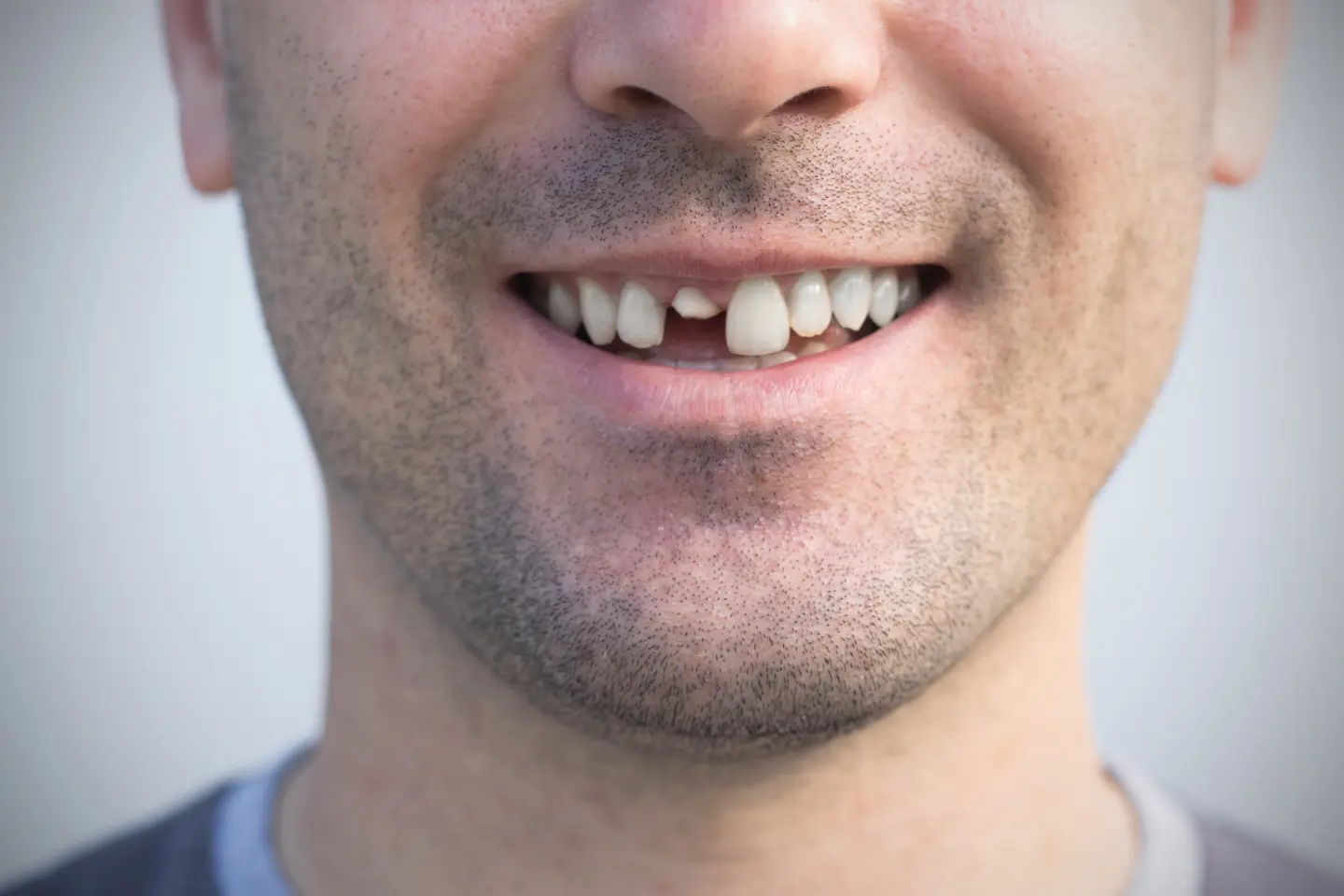
A broken front tooth has a way of throwing off your whole week. It is right there every time you smile, talk, or catch your reflection in a car window, and most people want it fixed fast and fixed well. The good news is that modern dental crowns in Pingree Grove, IL have come a long way, and there are a few options that consistently hold up well for front teeth without looking like obvious dental work. Anyone comparing dental crowns in Pingree Grove, IL right now will notice there is more choice today than there was even a few years back. This guide walks through what tends to work best, why, and what you can realistically expect if a crown is the right call for you.
Before diving in, it helps to remember that every mouth is different. What works beautifully for one person's bite, tooth position, or grinding habits might not be the ideal choice for someone else. A dentist who examines the tooth in person, checks the bite, and looks at the surrounding teeth is really the only one who can tell you which option fits your situation. This article is meant to help you understand your choices and ask better questions at your appointment, not to replace that evaluation.
Why Front Tooth Crowns Are Different From Back Tooth Crowns
Front teeth and back teeth do very different jobs, so the crowns used for them are judged by different standards. Back teeth mostly need to survive heavy chewing forces, so strength tends to be the priority. Front teeth, on the other hand, are involved in almost everything about how your smile looks: the way light passes through the enamel, the subtle color variations near the gumline, and the shape of the edge when you talk or laugh.
Because of that, cosmetic blending matters just as much as durability when someone is looking into dental crowns for a broken front tooth. A crown that is technically strong but looks flat, opaque, or slightly off in shade can be more noticeable than the original chip ever was. This is one of the main reasons dentists lean toward specific materials for anterior teeth rather than using a one-size-fits-all approach.
Which Crown Materials Tend to Work Best for Broken Front Teeth
There is not a single crown material that is right for everyone, but a few tend to come up again and again in conversations about front tooth restorations.
All-ceramic and all-porcelain crowns are often favored for front teeth because they can be shaded and layered to mimic the translucency of natural enamel. Many patients feel these blend in well next to their other teeth, especially when a skilled lab technician matches the shade carefully.
Lithium disilicate crowns, sometimes known by brand names in the ceramic family, are another option that many dentists reach for on anterior teeth. They are often described as offering a helpful balance between strength and a natural looking appearance, which matters for a tooth that is visible every time you speak.
Zirconia crowns have also become more common for front teeth in recent years, particularly newer, more translucent formulations designed with esthetics in mind. Older, more opaque zirconia was sometimes considered better suited to back teeth, but esthetic zirconia has narrowed that gap.
Porcelain fused to metal crowns are still used in some cases, though they are less common for front teeth today because the metal substructure can sometimes show as a thin dark line near the gum over time. Depending on your bite and budget, your dentist may still discuss this as an option.
The right material usually comes down to a mix of factors: how much of the natural tooth remains, your bite pattern, whether you grind your teeth at night, and how closely the crown needs to match neighboring teeth. This is exactly the kind of judgment call that benefits from an in-person exam rather than a general recommendation, which is why so many people researching dental crowns in Pingree Grove, IL end up booking a consultation before settling on a material.
What to Expect During the Crown Process for a Broken Tooth
If you are searching for dental crowns in Pingree Grove, IL after chipping or breaking a front tooth, it helps to know roughly what the process tends to look like.
In most cases, the first visit involves an exam and possibly an X-ray to see how much of the tooth structure is left and whether the nerve was affected. From there, the tooth is typically shaped and prepared, impressions or digital scans are taken, and a temporary crown is placed to protect the tooth while a custom permanent crown is made.
Some practices offer same-day crown technology using in-office milling, while others send the case to an outside dental lab, which can take one to two weeks. Either way, your dentist will talk you through shade matching for a front tooth specifically, since getting that color right is such a big part of the final result.
Once the permanent crown is ready, it is checked for fit, bite alignment, and appearance before it is cemented into place. Many patients say the whole process feels much less involved than they expected, though everyone's experience and healing timeline can vary.
How Long Do Front Tooth Crowns Typically Last
People often ask how long a crown on a broken front tooth is expected to hold up. While individual results can vary quite a bit depending on oral hygiene, bite forces, and general wear and tear, many dental crowns are reported to last well over a decade with reasonable care. Front teeth generally experience less heavy chewing pressure than molars, which can work in the crown's favor, though grinding or clenching at night can shorten that lifespan if it goes unaddressed.
Routine dental checkups, avoiding using your front teeth to open packaging or bite down on very hard objects, and wearing a nightguard if you grind can all support a longer lasting result. Your dentist can give you a more personalized sense of what to expect based on your specific crown material and bite.
Caring for a Crowned Front Tooth Day to Day
Living with a crowned front tooth is not much different from caring for your natural teeth, but a few habits tend to help.
Brushing twice a day and flossing daily around the crown margin helps prevent decay at the edge where the crown meets the natural tooth. Many dentists also recommend being mindful of very hard or sticky foods, since biting into something like ice or hard candy with a front tooth can put unnecessary stress on the restoration. If you clench or grind, a nightguard can go a long way toward protecting both the crown and the teeth around it.
It is also worth keeping up with regular dental visits so your dentist can check the crown margin and surrounding gum tissue over time. Catching small issues early is usually far easier to manage than waiting until something feels off.
Schedule a Consultation at Pingree Smile Center
If you have chipped or broken a front tooth and are not sure what your options look like, the team at Pingree Smile Center is glad to walk through it with you. A quick exam can tell you whether a crown, veneer, or bonding is the better fit for your tooth and your goals, and you will leave with a clearer picture of the process, timeline, and what to expect. Reach out to Pingree Smile Center in Pingree Grove, IL to schedule a consultation and get your smile back on track.
Frequently Asked Questions
Q: What is the best type of crown for a broken front tooth?
A: All-ceramic, lithium disilicate, and newer esthetic zirconia crowns are commonly favored for front teeth because they can be shaded to look natural. The best choice depends on your specific tooth, bite, and cosmetic goals, so it is worth discussing options with your dentist directly.
Q: Is a crown always necessary for a chipped front tooth?
A: Not always. Smaller chips can sometimes be treated with bonding or a veneer, while larger breaks that affect the tooth structure more significantly often call for a crown. A dental exam is the best way to know which approach fits your situation.
Q: Does getting a crown on a front tooth hurt?
A: Most patients report mild discomfort at most, similar to a routine filling, since local anesthesia is typically used during the procedure. Some sensitivity around the area is common for a short time afterward.
Q: How much does a dental crown for a front tooth typically cost?
A: Cost can vary based on the material chosen, the complexity of the case, and your dental insurance coverage. Pingree Smile Center can go over pricing and payment options during your consultation.
Q: Can a crowned front tooth still get a cavity?
A: Yes, decay can still form at the margin where the crown meets the natural tooth if oral hygiene is not kept up. Regular brushing, flossing, and dental visits help lower that risk.
Q: How soon can I eat normally after getting a front tooth crown?
A: Many people are able to eat fairly soon after the permanent crown is placed, though it is generally wise to avoid very hard or sticky foods for the first day or so while everything settles.
Q: Will a crown on my front tooth match my other teeth?
A: Shade matching is a key part of the process for front tooth crowns specifically. Dentists often use detailed shade guides and, in some cases, photos to help the lab create a crown that blends closely with your natural teeth, though very minor differences can sometimes remain.
This form is for contact purposes only. Please do not share personal healthcare information (PHI). We will call you to discuss medical conditions or address them during your visit.

Monday: 9:00 a.m. - 6:00 p.m.
Tuesday: 9:00 a.m. - 4:00 p.m.
Wednesday: 11:00 a.m. - 7:00 p.m.
Thursday: 9:00 a.m. - 4:00 p.m.
Friday: 9:00 a.m. - 5:00 p.m.
Saturday: 8:00 a.m. - 1:00 p.m.
Sunday: Closed




We are dedicated to your smile with compassionate care and advanced dental solutions in a comfortable setting.
