What Are the Pros and Cons of Dental Crowns?
If your dentist has mentioned that you might need a crown, your first thought may have been something like, wait, do I really need that? It's a reasonable reaction. A crown is a bigger commitment than a quick filling, and it helps to understand what you're getting into before saying yes.
Dental crowns are among the most common restorations in dentistry, and for good reason. They can protect a weak tooth, rebuild one that has been damaged, and help you chew comfortably again. They also come with trade-offs. Here's an honest look at the pros and cons of dental crowns so you can walk into your appointment with confidence.
What Is a Dental Crown and When Do Dentists Recommend One?
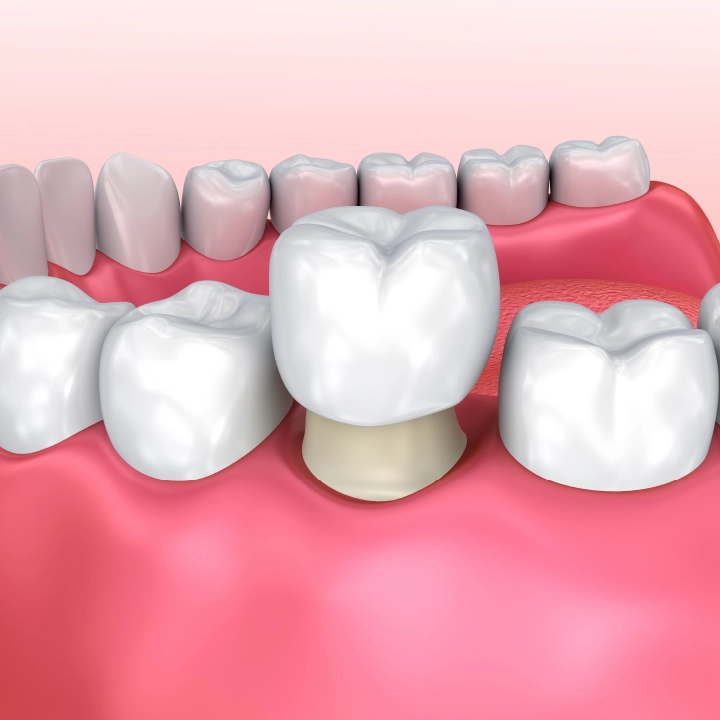
A dental crown is a custom-made cap that fits over a tooth, covering everything above the gumline. Think of it as a protective helmet that restores the tooth's shape, size, strength, and appearance.
Your dentist may suggest a crown if you have:
- A large cavity that leaves too little healthy tooth for a filling
- A cracked or weakened tooth
- A tooth that has had a root canal
- Heavy wear from grinding or acid
- A discolored or misshapen tooth you want to improve
- A dental implant that needs a visible tooth on top
- A dental bridge that needs support
Not every damaged tooth needs a crown, and sometimes a smaller repair is enough. An exam and X-rays will help your dentist recommend what makes sense for your situation.
What Are the Benefits of Getting a Dental Crown?
Let's start with the good news. Crowns offer several advantages that make them a go-to option for many patients.
- They protect weakened teeth. A tooth with a large filling or a crack can break under everyday chewing pressure. A crown wraps around the tooth and may help hold it together.
- They restore function. Once a crown is in place, many people find chewing feels more normal and comfortable again.
- They improve appearance. Crowns can be shaped and shaded to blend with your natural teeth, which can help with chipped, stained, or uneven teeth.
- They can last a long time. With good care, crowns often last many years, and some last well beyond a decade, though lifespan varies.
- They support other treatments. Crowns anchor bridges and finish dental implants, so they play a role in bigger restorative plans.
- They can reduce further damage. By sealing and covering a compromised tooth, a crown may help limit the risk of additional decay or fracture.
What Are the Disadvantages of Dental Crowns?
Now for the other side. Knowing the downsides ahead of time helps you make a clear decision.
- Tooth reduction is usually needed. To make room for a crown, your dentist removes a portion of the tooth's outer surface. That enamel doesn't grow back, so the decision is not easily reversed.
- Sensitivity can happen. Some people notice sensitivity to hot or cold, especially in the first days or weeks. It often settles, but it is worth mentioning to your dentist if it lingers.
- Crowns can chip or loosen. Porcelain can chip under heavy force, and a crown may come loose if the cement weakens or decay forms underneath.
- Decay can still occur. The crown itself can't get a cavity, but the natural tooth underneath, especially near the gumline, still can.
- Cost can be significant. Crowns often cost more than fillings. Insurance may cover part of the expense, but coverage varies.
- It may take more than one visit. Many crowns require two appointments, with a temporary crown in between, though some offices offer same-day options.
- Gum irritation is possible. A poorly fitting crown can irritate the gums or trap plaque. Careful fitting and good home care help reduce this risk.
Which Dental Crown Material Is Right for You: Porcelain, Zirconia, or Metal?
The material you choose affects how your crown looks and how it holds up. Here is a quick comparison:
- Porcelain or ceramic: Known for a natural look, which makes it a popular choice for front teeth. It may be less durable than some other materials under heavy biting force.
- Zirconia: Strong and tooth-colored, so it's often considered for back teeth where chewing pressure is higher.
- Porcelain fused to metal: Combines a metal base with a porcelain surface. It's sturdy, though a thin dark line may sometimes show at the gumline.
- Gold or metal alloys: Very durable and kind to opposing teeth, but their color stands out, so they're less common today.
- Resin: Typically more budget-friendly, though it tends to wear faster and may not last as long.
Your dentist can talk through which option fits your tooth, your bite, and your budget.
How Long Do Dental Crowns Last, and What Affects Their Lifespan?
There isn't one answer, since results differ from person to person. Many crowns last somewhere between 5 and 15 years, and some last longer. A few things influence how long yours holds up:
- The material used
- Your oral hygiene habits
- Whether you grind or clench your teeth
- Your diet, including how often you chew hard or sticky foods
- How well the crown was fitted
- Regular checkups that catch small problems early
If you grind your teeth at night, ask whether a nightguard could help protect your crown.
What Is the Dental Crown Process Like, From Start to Finish?
Knowing what to expect can ease nerves. In a typical case:
- Exam and planning. Your dentist checks the tooth and takes X-rays.
- Preparing the tooth. With local anesthesia, the tooth is gently reshaped to make room for the crown.
- Impressions or scans. A mold or digital scan captures the shape of your tooth and bite.
- Temporary crown. A temporary cap protects your tooth while the permanent one is made.
- Final placement. The permanent crown is checked for fit, color, and bite, then secured in place.
Mild soreness after the visit is common. Over-the-counter pain relievers may help if your dentist says they are appropriate for you.
How Do You Care for a Dental Crown So It Lasts?
A crown asks for the same basics you give your natural teeth, just with a little extra attention:
- Brush twice a day and clean between your teeth daily
- Pay extra attention to the gumline around the crown
- Avoid chewing ice, hard candy, or using your teeth as tools
- Be cautious with very sticky foods, especially with a temporary crown
- Keep up with regular exams and cleanings
Pingree Smile Center: Helping Patients Decide What Fits Their Smile
Choosing a crown is a personal decision, and it should never feel rushed. At Pingree Smile Center, the team takes time to explain your options, walk through the pros and cons, and answer questions in plain language. Whether you're comparing materials or wondering if a crown is truly needed, Pingree Smile Center aims to help you feel informed and comfortable.
Talk to Pingree Smile Center About Dental Crowns in Pingree Grove, IL
If you're weighing the pros and cons of dental crowns, you don't have to figure it out alone. A quick conversation and an exam can clear up a lot of questions, including whether a crown is the best choice for your tooth.
Call Pingree Smile Center today to schedule a consultation in Pingree Grove, IL. The team at Pingree Smile Center is ready to review your options, explain what to expect, and help you decide on a plan that suits your smile and your budget.
Frequently Asked Questions About Dental Crowns
Q: Do dental crowns hurt?
A: The area is numbed during the procedure, so most patients feel pressure rather than pain. Some tenderness or sensitivity afterward is common and often improves in a few days.
Q: Can a tooth under a crown still get a cavity?
A: Yes. The crown can't decay, but the natural tooth beneath it can, especially near the gumline. Good brushing, flossing, and checkups help.
Q: How do I know if I need a crown or a filling?
A: It depends on how much healthy tooth remains. Large cavities, cracks, or weak teeth often benefit from crowns, while smaller issues may only need fillings.
Q: Can a dental crown be repaired if it chips?
A: Sometimes small chips can be smoothed or repaired. Larger damage may mean the crown needs to be replaced.
Q: Are there alternatives to dental crowns?
A: Depending on your situation, options may include fillings, inlays, onlays, or veneers. Your dentist can explain which may be suitable.
Q: Will my crown look natural?
A: Crowns are shaped and shaded to blend with nearby teeth. Appearance depends on the material and placement, but many patients are happy with how natural they look.
Q: Where can I discuss dental crowns in Pingree Grove, IL?
A: Pingree Smile Center welcomes patients who want to learn about crowns and other restorative options. A consultation is a good first step.
This form is for contact purposes only. Please do not share personal healthcare information (PHI). We will call you to discuss medical conditions or address them during your visit.

Monday: 9:00 a.m. - 6:00 p.m.
Tuesday: 9:00 a.m. - 4:00 p.m.
Wednesday: 11:00 a.m. - 7:00 p.m.
Thursday: 9:00 a.m. - 4:00 p.m.
Friday: 9:00 a.m. - 5:00 p.m.
Saturday: 8:00 a.m. - 1:00 p.m.
Sunday: Closed




We are dedicated to your smile with compassionate care and advanced dental solutions in a comfortable setting.
